Closing the Human Capital Deficit: How America's Energy Transition Hinges on Building a Skilled Clean Energy Workforce
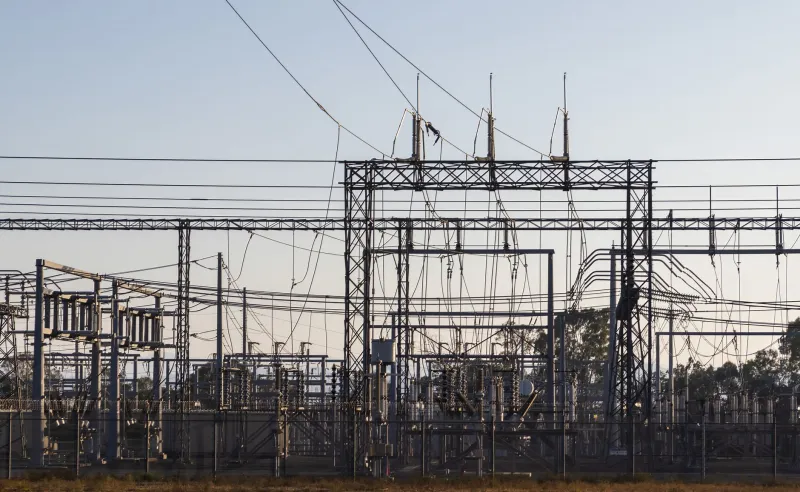
The United States has committed, through legislation and executive action alike, to a fundamental reimagining of how it generates and distributes power. The Inflation Reduction Act alone is expected to catalyze more than $3 trillion in clean energy investment over the next decade. Grid modernization projects are underway from the Pacific Northwest to the Gulf Coast. Yet for all the capital flowing into transmission lines, solar farms, and offshore wind installations, one critical resource remains in dangerously short supply: trained human beings capable of building, operating, and maintaining this new energy infrastructure.
The workforce gap in America's clean energy sector is not a future problem. It is an active constraint on the pace of the energy transition today.
The Scope of the Shortage
The numbers are striking. The Department of Energy's annual U.S. Energy and Employment Report has consistently documented accelerating job growth in clean energy — solar and wind employment alone now exceeds 350,000 workers nationwide. But industry analysts and utility recruiters warn that demand is outpacing supply at an alarming rate.
The Solar Energy Industries Association projects that the solar workforce will need to nearly triple by 2035 to meet installation targets aligned with federal decarbonization goals. Wind energy faces a parallel challenge: the American Clean Power Association estimates that the U.S. will need upwards of 75,000 additional wind technicians over the next decade, a figure that strains existing training pipelines considerably.
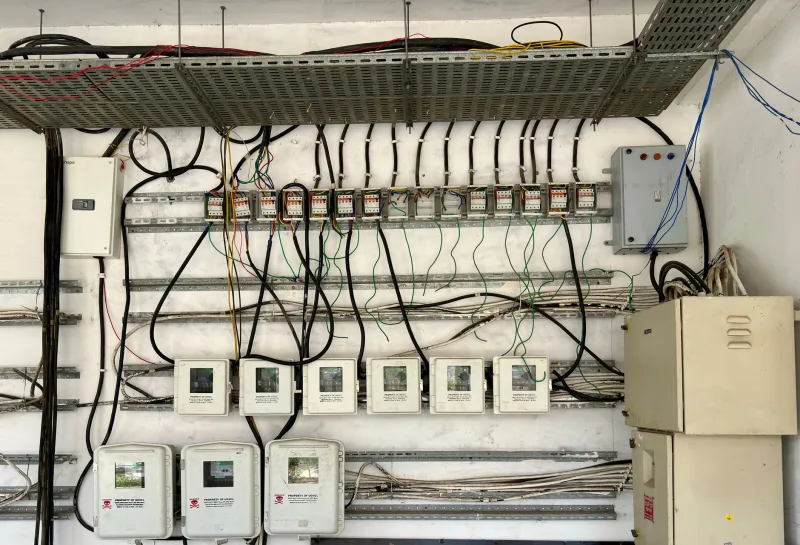
Grid management roles present a different but equally serious challenge. As utilities integrate distributed energy resources, battery storage systems, and two-way power flows from rooftop solar, the operational complexity of managing the grid has grown substantially. The traditional utility operator — trained on decades-old systems and relatively predictable load patterns — must now navigate a grid that behaves in fundamentally new ways. Recruiting and retraining workers for these advanced roles is proving difficult across virtually every regional transmission organization in the country.
Where the Gaps Are Most Acute
Geography complicates the picture further. The regions with the greatest renewable energy potential — the wind corridors of the Great Plains, the solar belts of the Southwest, and the emerging offshore wind zones along the Atlantic seaboard — do not always align with concentrations of trained labor. Utilities and developers in rural states frequently report that even when they can identify candidates, relocation barriers and wage competition from other industries erode their ability to fill roles.
"We're competing for electricians and technicians against construction, manufacturing, and telecommunications all at once," noted one workforce planning director at a Midwest investor-owned utility during a recent industry forum. "The candidate pool hasn't grown proportionally to the number of employers chasing it."
The offshore wind sector, still in its relative infancy in the United States compared to European markets, faces particularly acute shortages of specialized marine construction workers, subsea cable technicians, and operations personnel with experience on floating platforms. Training programs for these roles are still being developed domestically, leaving some project developers dependent on imported expertise from the United Kingdom and Scandinavia — a costly and logistically complex workaround.
Emerging Training Pipelines and Institutional Responses
The recognition of this challenge has prompted a meaningful, if still insufficient, response from educational institutions, labor unions, and government agencies.
Community colleges across the Sun Belt have expanded their energy technology programs, often in direct partnership with regional utilities and solar developers. Institutions like Pima Community College in Arizona and Lone Star College in Texas have developed accelerated certificate programs in photovoltaic installation and electrical systems that can move a student from enrollment to job-ready status in under a year. These programs are increasingly funded through a combination of state workforce development grants and employer contributions, reflecting a growing understanding that the pipeline problem is a shared industry responsibility.
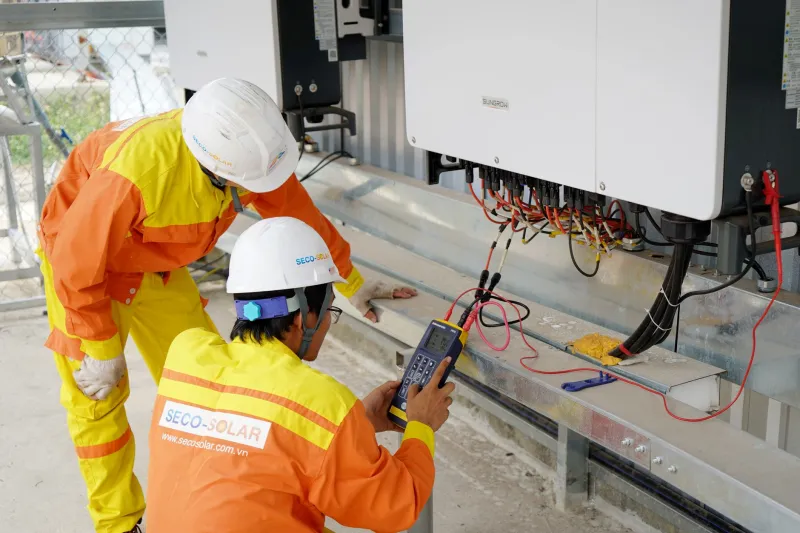
Labor unions, particularly the International Brotherhood of Electrical Workers, have made significant investments in apprenticeship programs tailored to renewable energy and grid modernization work. The IBEW's partnership with the National Electrical Contractors Association has produced joint apprenticeship training committees in dozens of states, providing structured, multi-year pathways that combine classroom instruction with hands-on field experience. These programs have the advantage of producing workers who are not only technically proficient but also familiar with the safety standards and professional culture of utility-scale construction.
On the federal side, the Department of Energy's Office of Energy Efficiency and Renewable Energy has funded workforce development initiatives through programs like the Solar Training Network and the Wind Energy Training Program. The Infrastructure Investment and Jobs Act included provisions specifically directed at energy workforce development, authorizing funding for apprenticeships, technical assistance, and partnerships between employers and training providers.
Policy Levers That Could Accelerate Progress
Despite these efforts, many workforce development leaders argue that the scale of investment in training infrastructure remains mismatched with the ambition of the energy transition itself. Several policy directions have gained traction among industry advocates as potential accelerants.
Expanding registered apprenticeship programs with dedicated federal incentives for clean energy occupations is one approach that has bipartisan support. Apprenticeships offer a proven model for producing skilled tradespeople at scale while ensuring that training is directly aligned with employer needs — a critical advantage over more generalized academic programs.
Improving reciprocity for professional licenses and trade certifications across state lines is another frequently cited reform. Currently, an electrician licensed in one state may face significant barriers to working in another, even when labor is urgently needed in that jurisdiction. Streamlining this process could help route qualified workers to high-demand regions more efficiently.
Some utilities and developers have also called for greater emphasis on incumbent worker retraining — helping existing utility employees, many of whom possess deep operational knowledge, transition into roles that require updated technical competencies. Rather than building an entirely new workforce from scratch, this approach leverages institutional experience while adding the specific skills that grid modernization demands.
The Strategic Imperative for Energy Sector Leaders
For utility executives, project developers, and infrastructure investors, the workforce gap is not merely a human resources concern — it is a project risk, a cost driver, and increasingly a factor in regulatory and financing conversations. Projects delayed by labor shortages face cost overruns. Utilities unable to staff control rooms with qualified operators face operational and compliance exposure. Investors evaluating long-term infrastructure assets must now factor workforce availability into their due diligence alongside land rights, interconnection queues, and equipment supply chains.
The energy transition will ultimately be executed by people — by the technicians climbing wind towers in West Texas at dawn, by the control room operators managing variable renewable output across a multi-state grid, and by the field crews pulling cable across desert terrain in temperatures that test both equipment and endurance. Capital and policy create the conditions for transformation. But it is human skill, at scale, that actually delivers it.
Addressing the workforce gap is not a peripheral concern for the energy sector. It is, alongside transmission buildout and permitting reform, one of the foundational prerequisites for achieving the grid that American energy policy envisions. The institutions and leaders who invest seriously in building that human capital today will be positioned to execute — and to lead — as the decade progresses.